
Important for referrers: Suspected sudden sensorineural hearing loss is a time-critical otologic emergency. The patient requires urgent medical and ENT assessment. Audiometry is valuable when it can be arranged promptly, but treatment and referral should not be delayed while waiting for a hearing test.
A patient describing a suddenly blocked, muffled or “dead” ear may have wax or middle-ear dysfunction—but they may also have sudden sensorineural hearing loss (SSNHL). Otoscopy can be normal and the patient may not use the words “hearing loss”, which makes early recognition particularly important.
Ability Hearing & Balance can provide diagnostic audiology to help establish the type, degree and configuration of hearing loss and support ongoing monitoring. Our role complements urgent medical and ENT management; it does not replace it.
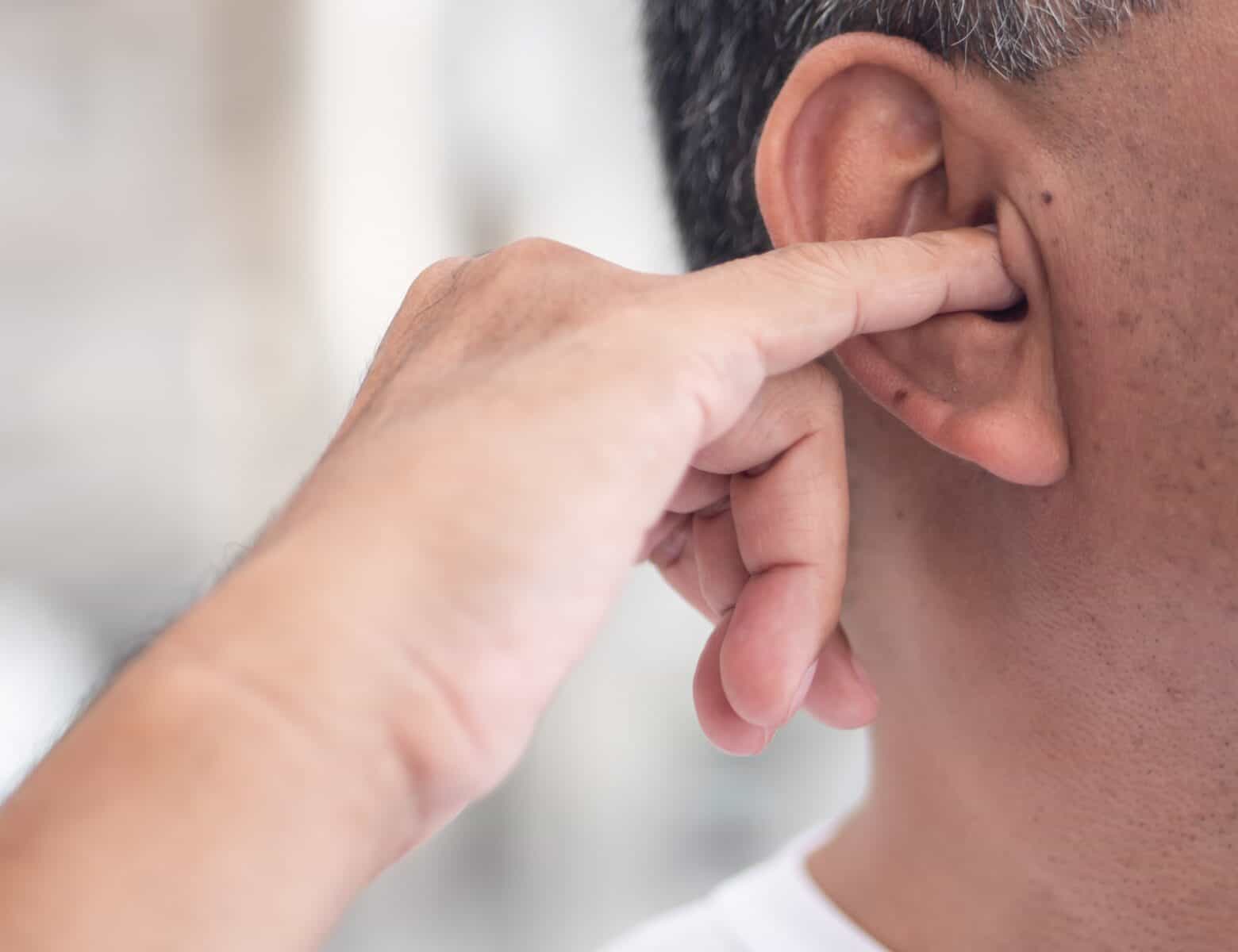
SSNHL is a rapid loss of inner-ear hearing, commonly affecting one ear and developing over no more than 72 hours. A frequently used audiometric definition is a sensorineural reduction of at least 30 dB across three consecutive frequencies, although a clinically important sudden change may not always fit that exact threshold.
Patients may report waking with reduced hearing, noticing that a telephone sounds different in one ear, or experiencing a sudden change during the day. Associated symptoms can include unilateral tinnitus, aural fullness, sound distortion, vertigo or imbalance.
The sensation of fullness can be mistaken for earwax, congestion or Eustachian tube dysfunction. A clear ear canal and normal-looking tympanic membrane do not exclude SSNHL.
When a patient reports sudden or rapidly changing hearing, useful initial information includes:
- Exact time and pattern of onset, including whether the change occurred within 72 hours
- Whether the loss is unilateral or bilateral
- New tinnitus, aural fullness, vertigo, imbalance, otalgia, discharge or recent infection
- Recent noise exposure, barotrauma, head trauma or potentially ototoxic medication
- Otoscopic findings, including wax, infection, perforation or evidence of middle-ear effusion
- Weber and Rinne findings where tuning-fork assessment is available
- Any facial weakness, altered sensation, severe headache, ataxia or other neurological features
A full neurological and cranial nerve assessment is important when clinically indicated. Hearing loss accompanied by neurological signs warrants emergency assessment.
Where SSNHL is suspected, arrange same-day urgent medical or ENT assessment in accordance with local pathways. Emergency department assessment is appropriate where required, particularly when neurological signs are present or timely specialist advice is not otherwise available.
Current Australian GP guidance emphasises prompt evaluation and early corticosteroid treatment when clinically appropriate. Prescribing decisions, contraindications, monitoring and the choice of systemic or intratympanic therapy remain medical matters for the treating GP and ENT specialist.
Do not allow a routine audiology booking process to delay urgent medical care. If prompt audiometry is available, it can assist diagnosis and provide a baseline, but the two pathways should occur in parallel rather than sequentially.
A comprehensive diagnostic assessment can establish whether the hearing loss is conductive, sensorineural or mixed and document its severity and configuration. Depending on the presentation, testing may include:
- Otoscopy
- Pure-tone air- and bone-conduction thresholds
- Speech audiometry
- Tympanometry and acoustic reflexes where clinically appropriate
- Comparison with previous audiograms when available
We provide a clinical report outlining the findings and any audiological recommendations. Repeat audiometry may also be used to monitor recovery and guide longer-term hearing rehabilitation if a residual hearing loss remains.

To help us prioritise and report efficiently, please include:
- Date and time of onset and the affected ear
- Associated otological, vestibular or neurological symptoms
- Relevant otoscopy and tuning-fork findings
- Relevant medical history, current medication and recent treatment
- Previous audiograms, if available
- Whether urgent ENT or emergency assessment has already been arranged
Please mark the referral as urgent – sudden hearing loss and telephone our team so it is not processed as a routine hearing assessment.
If your hearing has suddenly reduced in one or both ears, seek urgent medical advice today. Do not assume that a blocked sensation is only wax, and do not wait for a routine hearing appointment to see whether it settles.
Contact your GP urgently or attend an emergency department when advised. Call Triple Zero (000) for emergency symptoms such as facial weakness, difficulty speaking, severe unsteadiness or other signs of stroke.
Can sudden hearing loss feel like a blocked ear?
Yes. SSNHL can produce fullness or pressure even when the ear canal and eardrum appear normal. Wax and middle-ear conditions are common alternatives, but they should not be assumed without assessment.
Should a GP wait for an audiogram before referring?
No. Audiometry is the definitive way to document the hearing loss, but current guidance states that urgent treatment and referral should not be delayed if same-day testing cannot be achieved.
Does Ability Hearing & Balance treat sudden hearing loss?
We provide diagnostic audiology, reporting, monitoring and hearing rehabilitation. Medical treatment is managed by the patient’s GP and ENT specialist.
Can the hearing recover?
Recovery varies. Earlier recognition and treatment are associated with better prospects, although outcomes depend on several clinical factors. Follow-up audiometry documents change and helps determine whether rehabilitation is required.