Dizziness, vertigo and imbalance can affect your confidence, mobility and everyday life. Because balance relies on several systems working together, there is no single test that can identify every possible cause.
Ability Hearing & Balance provides comprehensive vestibular testing to assess different parts of the inner-ear balance system. The results help identify whether vestibular dysfunction may be contributing to your symptoms and guide appropriate treatment, referral or further investigation.
Our vestibular audiologist has provided comprehensive vestibular assessment at Ability Hearing & Balance since 2020.

Dizziness is a broad term used to describe sensations such as imbalance, unsteadiness, feeling faint, weakness, wobbliness or light-headedness. Vertigo more specifically describes a spinning or turning sensation, as though you or your surroundings are moving.
Dizziness is a symptom rather than a disease. Your balance depends on information from the inner ears, eyes, muscles, joints and brain being combined accurately. A problem affecting any of these systems may cause dizziness or imbalance, which is why a thorough assessment is important.

Vestibular testing may be recommended if you experience:
- Vertigo or spinning sensations
- Dizziness or light-headedness
- Imbalance, unsteadiness or falls
- Motion sensitivity
- Blurred or bouncing vision when moving your head
- Nausea associated with movement
- Persistent or unexplained balance symptoms
Small sensory organs in the inner ear form the vestibular system. They detect head movement, body position and gravity, then send this information to the brain. The brain combines these signals with information from your vision and from sensors in your muscles, joints and feet.
The semicircular canals detect rotational head movements. The utricle detects side-to-side and forward-and-back movement, while the saccule detects up-and-down movement and gravity. The vestibulo-ocular reflex, or VOR, keeps your vision stable while your head is moving.
When part of this system is not functioning as expected, you may experience vertigo, dizziness, unsteadiness, blurred vision during head movement or an increased risk of falling.
Different vestibular tests assess different parts of the balance system. One result cannot provide the complete picture, so the tests selected for you will depend on your symptoms, medical history and the clinical questions being investigated.
Depending on your needs, testing may include video head impulse testing (vHIT), videonystagmography (VNG), caloric testing, vestibular evoked myogenic potentials (VEMPs), positional testing for benign paroxysmal positional vertigo (BPPV), hearing assessment and functional balance testing.
This test battery may assist in the investigation of conditions including BPPV, vestibular neuritis, labyrinthitis, Ménière’s disease, vestibular migraine, unilateral or bilateral vestibular hypofunction, superior canal dehiscence, vestibular schwannoma, persistent postural-perceptual dizziness and age-related vestibular decline.

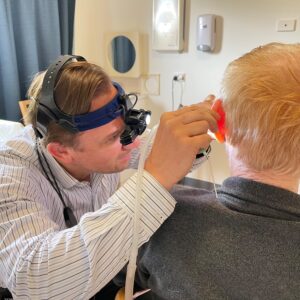
Your appointment will begin with a detailed discussion about your symptoms, medical history and how dizziness or imbalance affects you. Our vestibular audiologist will then select the tests most appropriate to the reason for referral and your individual presentation.
- A detailed history of your symptoms
- A hearing assessment where indicated
- Selection and completion of appropriate vestibular tests
- An explanation of the results
- A comprehensive report for your referring practitioner
- Recommendations for treatment, monitoring or further referral
- Continue taking regular medication unless a medical practitioner or our clinic has specifically advised otherwise.
- If you take medication for dizziness, vertigo or nausea, contact our clinic before the appointment because some medication may affect particular tests.
- Avoid alcohol for 24 hours before testing.
- Avoid caffeine for at least four hours before testing unless advised otherwise.
- Eat a light meal before attending.
- Wear comfortable clothing, glasses and hearing aids where applicable.
- Allow up to three hours, depending on the appointment and tests required.
- Consider arranging for someone to drive you home if you are concerned about temporary dizziness after testing.
Some tests deliberately stimulate the balance system and may briefly reproduce dizziness or a turning sensation. These symptoms usually settle quickly after the test.
Our vestibular audiologist will discuss the results with you and explain what they mean in the context of your symptoms. A written report summarising your history, findings, interpretation and recommendations will be prepared for your referring doctor or specialist.
Depending on the findings, recommendations may include vestibular rehabilitation with a physiotherapist, assessment by an ear, nose and throat specialist, neurology or neuro-otology review, further medical investigation, treatment for BPPV, or ongoing monitoring.
Vestibular disorders can be complex and may require input from several health professionals. Ability Hearing & Balance works with GPs, ENT surgeons, neuro-otologists, neurologists and vestibular physiotherapists to support coordinated care.

- Comprehensive testing of multiple parts of the vestibular system
- vHIT, VNG, caloric testing, VEMPs, BPPV assessment and functional balance testing
- An experienced Vestibular Audiologist
- Evidence-based assessment selected for your symptoms
- Clear explanations and detailed clinical reports
- Individualised recommendations and coordinated referral pathways
Is vestibular testing painful?
Vestibular testing is not painful. Some tests may briefly produce dizziness because they are designed to stimulate the balance system.
Will the tests make me dizzy?
Caloric and positional tests can temporarily cause a spinning or turning sensation. This usually settles within a few minutes. If testing confirms BPPV, treatment may be performed using an appropriate repositioning manoeuvre.
How long does testing take?
The appointment length depends on the tests required. Please allow up to three hours for a comprehensive assessment.
Why do I need more than one test?
Each test examines a different structure or function within the vestibular system. A combination of tests provides a clearer overall picture than any single result.
Should I stop taking medication?
Do not stop prescribed medication unless you have been advised to do so. Contact our clinic before testing if you take medication for dizziness, vertigo or nausea.
Do I need a referral?
A referral is not required to contact or book with the clinic. If you wish to claim an eligible Medicare rebate, ask our team about referral requirements before your appointment.
Seek urgent medical attention if sudden or severe dizziness occurs with symptoms such as chest pain, a severe headache, shortness of breath, fainting, seizure, new weakness or numbness, difficulty speaking, sudden changes in vision or hearing, a head injury, high fever, persistent vomiting or an irregular heartbeat.
More Hearing Related Articles