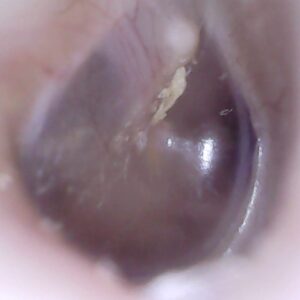
That blocked, waterlogged feeling after a swim is easy to dismiss. Sometimes it is simply water sitting in the outer ear canal. Sometimes wax has swollen or shifted. For regular swimmers, surfers and cold-water enthusiasts, however, repeated exposure can gradually change the shape of the ear canal itself.
At our Kingston clinic, our audiologists see people from across Kingborough and southern Tasmania with ears that feel blocked after swimming, recurring wax build-up, muffled hearing or water that seems reluctant to drain. A careful look inside the ear can help distinguish a straightforward wax blockage from inflammation, infection or bony narrowing known as exostoses.
Why does an ear feel blocked after swimming?
The ear canal is not a straight tube. It curves as it travels from the opening of the ear towards the eardrum. Its skin is delicate, and the deeper section is particularly sensitive. Water, softened wax and shed skin can become caught around these curves.
A blocked sensation after swimming may be caused by:
- water trapped behind or around earwax
- wax that has absorbed water and expanded
- swelling or infection of the ear-canal skin (otitis externa or “swimmer’s ear”)
- exostoses that make the canal narrower and create places for water and debris to collect
- pressure or fluid behind the eardrum, which cannot be removed from the ear canal
- less commonly, a sudden inner-ear hearing change requiring urgent medical assessment.

What is surfer’s ear?
“Surfer’s ear” is the common name for external auditory canal exostoses. These are benign, broad-based bony growths that develop within the ear canal. They are different from earwax and cannot be suctioned away.
Repeated exposure to cold water and wind is associated with exostoses. Although the name refers to surfers, the same changes can occur in people who regularly swim, dive, kayak or take part in other cold-water activities. The growth is usually gradual and may be present in both ears.
Small exostoses may cause no symptoms. As the canal becomes narrower, however, water and wax can become trapped more easily. This may contribute to prolonged blockage after swimming, repeated wax impaction, outer-ear infections, discomfort and a temporary conductive hearing loss when the canal is obstructed.
How exostoses trap water and earwax
Imagine a stream passing through a narrowing with several rocks projecting from the banks. Water can still pass, but leaves and debris are more likely to catch in the tighter spaces. A narrowed ear canal behaves in a similar way.
Earwax is normally moved gradually towards the opening of the ear by skin migration and jaw movement. When bony projections interrupt that pathway, wax and dry skin may collect in pockets. Water can sit behind the material, making the ear feel suddenly blocked even when it seemed clear before the swim.
This is one reason a recurring post-swim blockage deserves an examination rather than repeated guessing at home. The treatment depends on what is actually occupying—or narrowing—the canal.
Why cotton tips often make the problem worse
Cotton tips can remove a little wax from the entrance of the ear, which creates the impression that they are cleaning it. At the same time, the tip may act like a small plunger and push the remaining wax around the bends of the canal towards the eardrum.
In a naturally narrow canal, or one narrowed by exostoses, there is even less room for the wax to move back out. A cotton tip can pack it into a tight space or irritate the canal skin. Other improvised tools can scratch the skin, cause bleeding or damage the eardrum.
Clean only the part of the outer ear you can reach with a towel. Avoid inserting cotton tips, ear candles or instruments into the canal.
Swimmer’s ear is not the same as trapped water
Otitis externa is inflammation or infection of the ear-canal skin. Moisture can disrupt the canal’s protective environment, while scratching or inserting objects can damage the skin barrier. Symptoms may include increasing pain, tenderness when the outer ear is moved, itch, discharge, swelling or reduced hearing.
Wax removal is not a substitute for treatment of an active infection. If the ear is painful, discharging, significantly swollen or accompanied by fever or feeling unwell, medical assessment is important. People with diabetes or reduced immunity should seek prompt advice for a painful or infected ear.
Is microsuction suitable when exostoses are present?
Microsuction removes wax and debris without flushing water into the ear. The clinician works under direct magnified vision and uses a fine suction tip or other appropriate instruments. For many people, this is efficient and well tolerated.
Exostoses can make removal technically more demanding. The opening may be narrow, the wax may sit beyond a bony projection, and the canal skin can be sensitive. Clinician experience matters: the aim is controlled, efficient removal while continually observing the ear and responding to the person’s comfort.
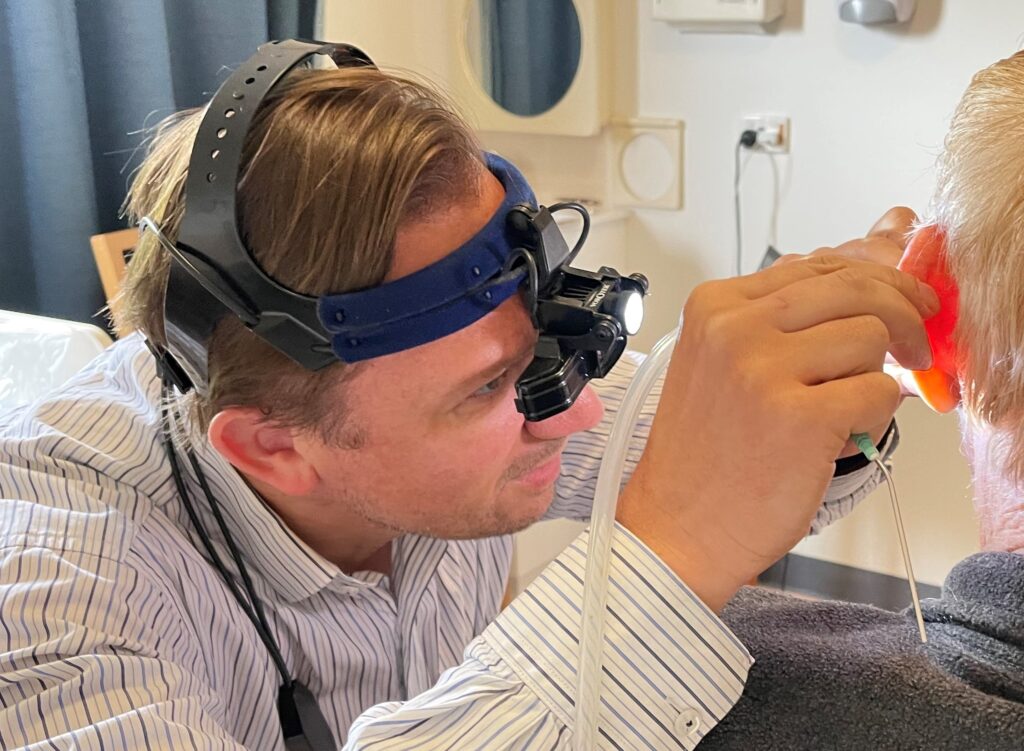
Microsuction is not automatically the right choice in every ear or on every day. Very hard wax may need preparation, an inflamed canal may need medical treatment, and severe narrowing may limit access. Our audiologist will examine the ear first and explain the safest practical next step.
What about ear syringing or irrigation?
Irrigation uses water to flush wax from the canal. It can be effective in appropriately selected ears, but it adds moisture and pressure and is unsuitable in some circumstances—for example, where there is a known or suspected eardrum perforation, certain previous ear surgeries, active infection or other clinical concerns.
Many pharmacy wax-softening products are intended to break the wax into smaller material that can then be flushed out. That approach is not always ideal when wax is sitting deep, when the canal is very narrow, or when removal is planned using microsuction. We commonly prefer an olive-oil-based ear spray before an appointment because it can lubricate and soften the plug while helping it remain more cohesive. Preparation advice should be individualised, and drops should not be used without professional guidance if there is ear pain, discharge, a possible perforation or a history of ear surgery.
Can exostoses be removed?
Wax can be removed; the bony growths cannot. Most mild exostoses are monitored and managed by reducing cold-water exposure to the canal, keeping the ears clear where necessary and treating infections promptly.
An ear, nose and throat (ENT) specialist may consider surgery when narrowing is severe or when there are recurring infections, progressive hearing problems or persistent symptoms. Our audiologist can document what is visible, assess hearing when appropriate and recommend GP or ENT follow-up if the findings warrant it.
Protecting your ears in cold water
There is no guarantee that protective equipment will prevent exostoses, but reducing repeated cold-water and wind exposure to the ear canal is sensible. Options include well-fitting swimming earplugs and a swimming cap or surf hood that covers the ears.
After swimming:
- tilt your head and allow water to drain naturally
- dry the outer ear gently with a towel
- do not push a cotton tip or tissue into the canal
- do not forcefully use home irrigation devices
- seek advice if blockage, pain or discharge persists.
What happens at a Kingston appointment?
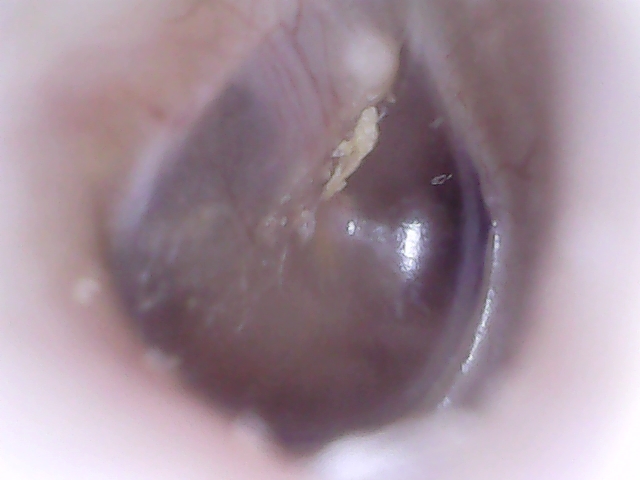
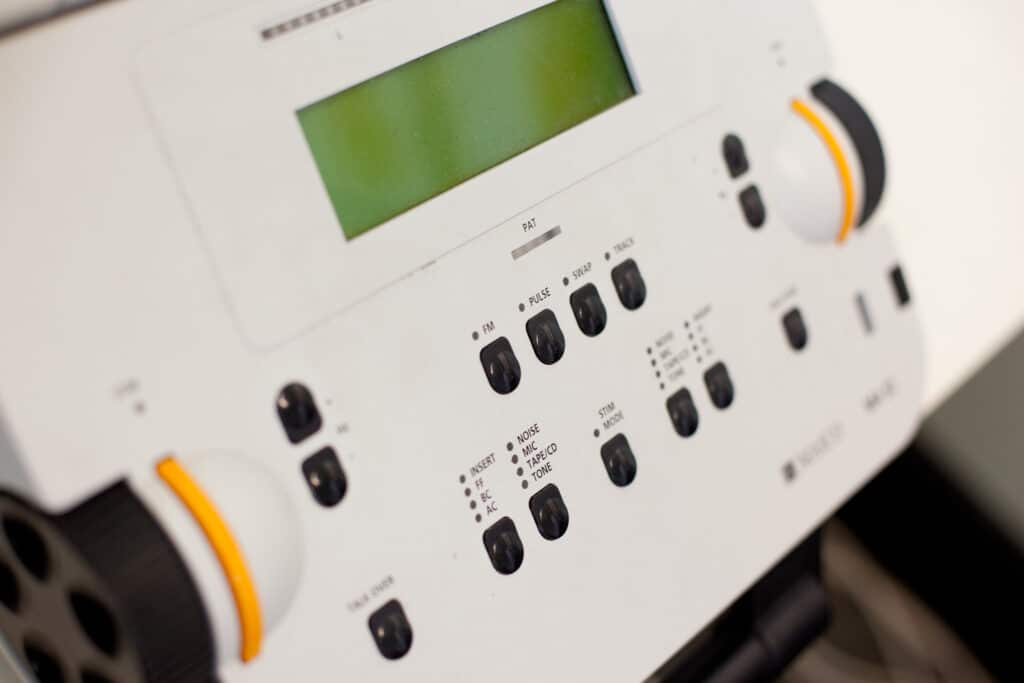
We begin by asking about your symptoms, water exposure, previous infections, ear surgery and hearing. We then inspect the canals and eardrums using otoscopy or video otoscopy. If wax is present and removal is appropriate, we explain the procedure and work under direct magnified vision.
If the canal is clear but the ear still feels blocked, the next step may be a hearing assessment, middle-ear pressure testing or referral for medical review. That distinction is important: an audiologist can remove material from the outer ear canal, but cannot remove fluid or pressure from behind an intact eardrum.
When should a blocked ear be checked urgently?
Seek urgent medical assessment for a sudden loss of hearing—particularly if it develops over hours or a few days—or when blockage is accompanied by severe dizziness, new neurological symptoms, significant injury, marked pain, bleeding or discharge. Sudden inner-ear hearing loss can feel like wax, but it is time-sensitive and should not wait for a routine wax appointment.
Blocked ears in Kingston? Start with a clear view
If your ears regularly block after swimming, water seems to remain trapped, or home treatments have not resolved the problem, an examination can prevent more guesswork. Our Kingston audiologists can assess the canal, explain whether wax, inflammation or exostoses are contributing, and provide microsuction when it is clinically appropriate.
Contact our Kingston hearing clinic to arrange an appointment, or read more about our earwax microsuction service in southern Tasmania.
This information is general and does not replace individual medical advice.