If your ears seem to block repeatedly, it is tempting to assume that you simply make too much earwax. Sometimes that is true—but the amount of wax is only part of the story. The shape of your ear canals, how wax moves, what you place in your ears and even pressure behind the eardrum can all influence that familiar blocked sensation.
At Ability Hearing and Balance, our audiologists assess blocked ears and provide professional earwax microsuction in Launceston. Understanding why ears block helps us decide whether wax removal is needed and how future blockages may be reduced.
Your ear canal is not a straight tube
The adult ear canal is commonly described as S-shaped, with two bends between the opening of the ear and the eardrum. The outer section is made from cartilage and contains hair follicles and the glands involved in producing cerumen. The deeper section is surrounded by bone and is covered by very thin, sensitive skin.
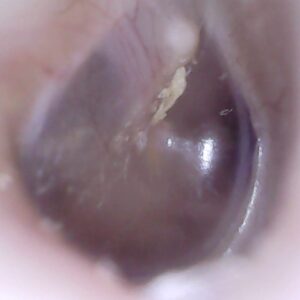
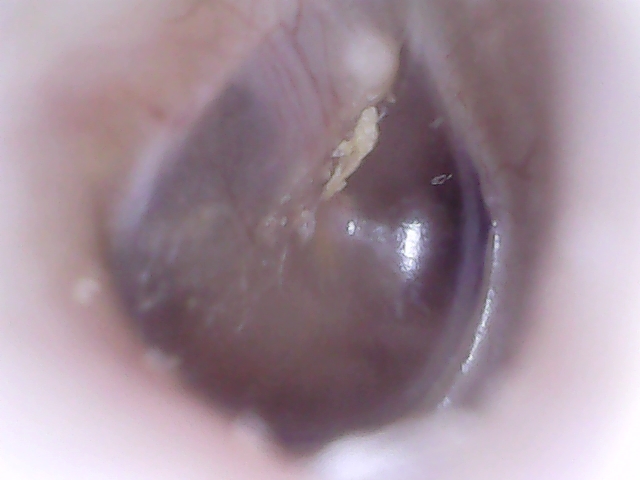
Earwax is produced primarily in the outer cartilaginous portion of the canal. It combines glandular secretions with shed skin and other debris to form a protective, lubricating layer. The deeper bony canal close to the eardrum does not normally contain the glands that produce wax.
Healthy ears are usually self-cleaning. The canal skin gradually migrates outwards and movements of the jaw assist wax and shed skin towards the entrance of the ear. Problems arise when this migration is interrupted or wax is pushed in the opposite direction.
Why cotton tips can make a blockage worse
A cotton tip can closely match the width of many ear canals. Instead of leaving enough space for wax to move around it, the cotton end can behave like a small piston, pushing wax further around the canal bends.
This is particularly misleading because some wax may still come out on the cotton tip. You can see what has been removed, but you cannot see the portion being compressed or moved deeper. Repeated cleaning may gradually create a firm plug in the inner canal—an area where the ear did not produce the wax in the first place.
Wax close to the eardrum is often more difficult to access and the surrounding skin is more sensitive. Cotton tips can also irritate the canal skin, leave fibres behind or cause injury if inserted too deeply. Cleaning the visible outer bowl of the ear is very different from inserting an object into the canal.
Why some people experience more earwax blockages
Some people naturally produce more cerumen, while others have ear canals that make normal wax migration less efficient. Recurring blockage does not necessarily mean that the ears are dirty or have been poorly cared for.
Factors that can contribute include:
- Narrow, curved or unusually shaped ear canals.
- Coarse canal hair that catches wax as it moves outwards.
- Dry or flaky canal skin.
- Age-related changes that make wax drier and slower to migrate.
- Hearing aids, earbuds and earplugs that obstruct the canal or push wax inwards.
- Frequent use of cotton tips or other objects in the ears.
- Previous inflammation, infection or surgery that has changed the canal.
- Bony narrowing caused by exostoses.
Exostoses: when bone narrows the ear canal
Exostoses are smooth bony growths that develop within the ear canal. They are strongly associated with repeated exposure to cold water and wind, which is why the condition is often called surfer’s ear. Swimmers, surfers and other people who spend years in cold-water environments can develop narrowing in one or both canals.
Exostoses do not produce extra wax, but they can interrupt its natural outward migration. Wax, water and skin debris may become trapped behind the narrowed areas, increasing the likelihood of blockage or outer-ear infection.
Removal can also be more technically demanding because the clinician must work through a smaller opening and around the bony prominences. Significant exostoses or recurrent infections may require assessment by an ear, nose and throat specialist.
Can earwax cause temporary hearing loss?
Yes. A plug of wax can reduce the amount of sound reaching the eardrum, producing a temporary conductive hearing loss. People may describe muffled hearing, fullness, echoing of their own voice, tinnitus or a sudden change after showering or swimming.
Water can expand an existing wax plug or fill a small gap that had previously allowed sound through. This is why an ear may seem to block abruptly even though the wax accumulated gradually.
Hearing often improves once the obstruction is removed. However, wax is not the only cause of hearing loss. If hearing remains reduced after the canal is cleared, a hearing assessment can identify whether another problem is present.
Choosing drops before a microsuction appointment
Ear drops are not all designed to do the same job. Many over-the-counter preparations are cerumenolytics, which are intended to soften or break wax into smaller fragments. This can be useful when natural clearance or water irrigation is planned.
When microsuction is planned, our clinic commonly recommends an olive-oil-based spray. The aim is to soften and lubricate the wax while helping the plug remain relatively cohesive and separated from the canal skin. A contained plug may be easier to remove in a controlled way than wax that has been extensively dissolved into soft, sticky fragments.
Wax that has travelled deep into the canal can sometimes become spread across or adhere closely to the eardrum after repeated use of dissolving preparations. Removing material from this sensitive area requires additional care.
Preparation should always be based on the individual ear. People with a known or suspected eardrum perforation, discharge, active infection, previous ear surgery or significant pain should seek advice before putting drops into the ear.
Irrigation and microsuction are different procedures
Ear irrigation uses water to flush softened wax from the canal. Many wax-softening products are promoted as part of this process. Irrigation can be effective, but it introduces moisture and relies on pressure and water flow rather than continuous direct visualisation of every part of the removal.
Irrigation may not be suitable for people with a history of eardrum perforation, ear surgery, recurrent outer-ear infections or certain other ear conditions. Potential complications include pain, dizziness, infection, canal trauma and, less commonly, damage to the eardrum.
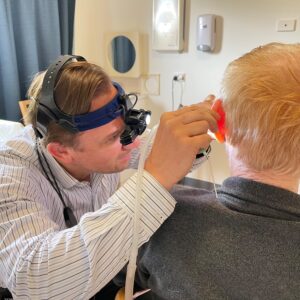
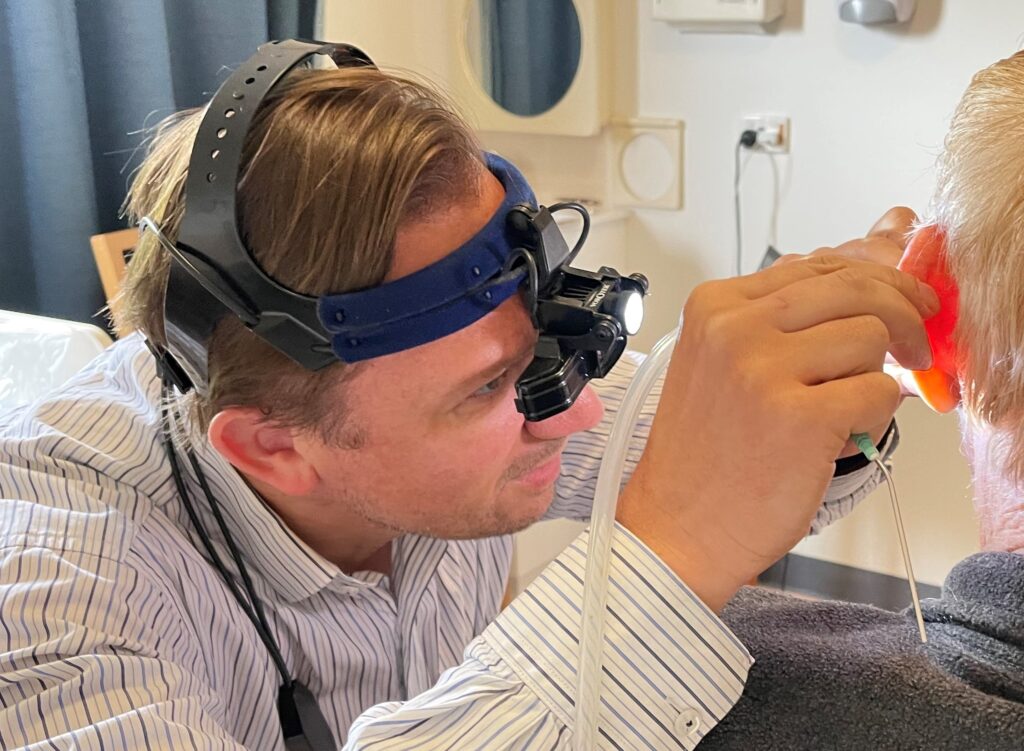
Microsuction uses a fine suction tube while the audiologist views the canal through magnification. It does not rely on water, and the clinician can adapt the approach according to the position and consistency of the wax. Curettage or another manual technique may sometimes be used alongside suction.
Why a short procedure can still represent considerable expertise
When wax is accessible and the canal conditions are favourable, an experienced clinician may complete microsuction quite quickly. Patients occasionally assume that a brief procedure must have been simple or of limited value.
The value is not measured by how long an instrument remains in the ear. It lies in accurate visualisation, steady equipment control, understanding the individual canal, selecting the appropriate technique, recognising risk and knowing when to stop or change approach.
The aim is safe, controlled and efficient removal—not to prolong the procedure unnecessarily. Minimising avoidable instrument contact and exposure to suction noise can also make the experience more comfortable. A straightforward result often reflects suitable preparation combined with clinician experience.
A blocked ear is not always caused by wax
Ear fullness, muffled hearing and pressure can occur even when the ear canal is completely clear. One common cause is Eustachian tube dysfunction. The Eustachian tube helps ventilate the middle-ear space and equalise pressure across the eardrum. Congestion, inflammation, allergies and pressure changes can interfere with this function.
Eustachian tube dysfunction may cause popping, crackling, pressure, fluctuating hearing or the feeling that the ear needs to clear. These symptoms can feel remarkably similar to an earwax blockage.
Microsuction can remove material from the external ear canal only. It cannot remove fluid, pressure or congestion from behind an intact eardrum. Otoscopy and, when appropriate, tympanometry or hearing assessment can help distinguish an outer-ear obstruction from a middle-ear problem.
Other conditions can also feel like a blocked ear
Outer-ear infection, middle-ear fluid, a foreign object and different types of hearing loss can all produce fullness or muffled hearing. A sudden hearing change can occasionally represent sudden sensorineural hearing loss, which requires urgent medical assessment even when the patient describes the ear as feeling blocked.
Significant pain, discharge, bleeding, sudden or rapidly changing hearing, neurological symptoms or severe vertigo should not be assumed to be ordinary wax.
What an experienced earwax appointment involves
A professional earwax appointment begins before removal. The audiologist considers your symptoms, previous ear problems, surgery, perforations, hearing-aid use, canal shape and the appearance and position of the wax.
The canal and visible eardrum are examined before and after the procedure. The method may be adjusted according to whether the wax is soft, dry, attached to canal hair, sitting deeply or positioned behind a narrowing. If removal is not appropriate or another condition is suspected, the safest decision may be to stop and recommend medical or ENT assessment.

Managing recurring earwax in Launceston
There is no single maintenance schedule that suits everyone. Some people need treatment only once, while people with narrow canals, exostoses, hearing aids or naturally heavy wax production may benefit from periodic review.
The most useful plan is based on what we can see in your ears: where the wax accumulates, how quickly it returns and which factors interfere with natural migration. Good ear-canal care is less about repeatedly cleaning the ears and more about avoiding compaction, preparing wax appropriately and arranging removal when it is genuinely needed.
If your ears feel blocked or you experience recurring wax problems, book an assessment with our audiologists at the Ability Hearing and Balance Launceston clinic. We can determine whether wax is present, remove it when appropriate and investigate further when the canal is already clear.